Close
Close
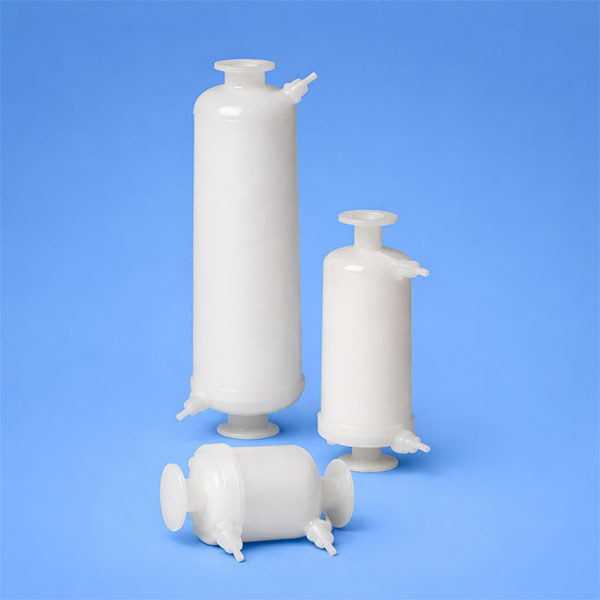
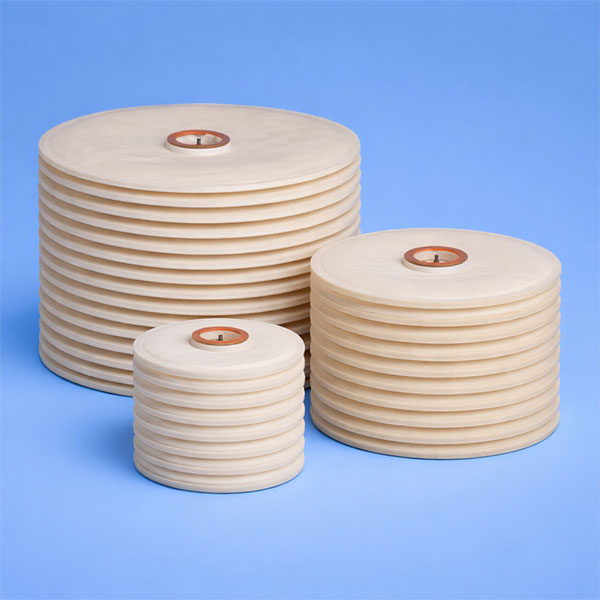
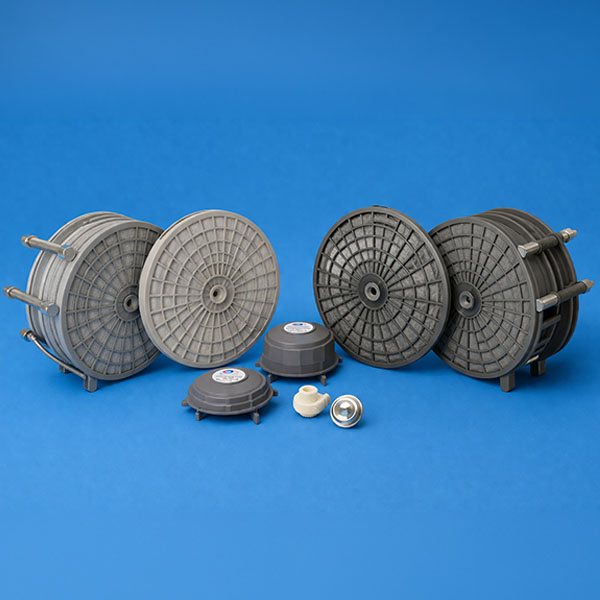
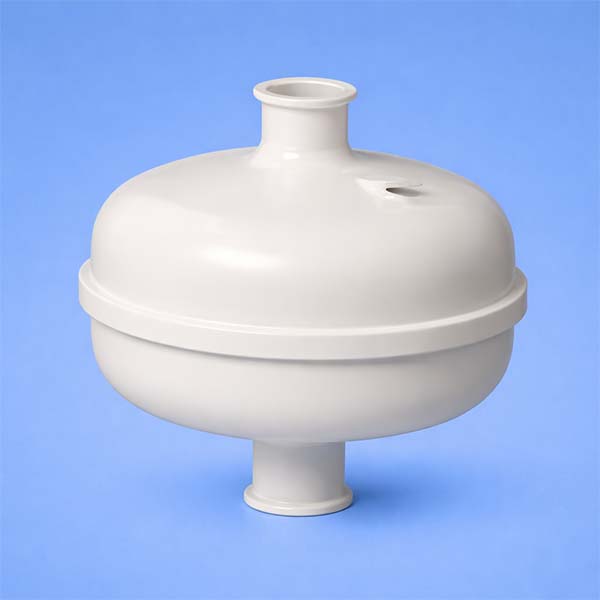
Pharmaco Global supplies pharmaceutical-grade cartridges and capsules designed for precision, material compatibility, and consistent performance across sterile and non-sterile pharmaceutical manufacturing applications. Manufactured under controlled production standards, these components support reliable operation within GMP-regulated environments where product integrity, contamination control, and process accuracy are critical.
Suitable for sterile manufacturing, aseptic filling systems, filtration setups, and downstream pharmaceutical processes, our cartridges and capsules are built to meet WHO GMP, USFDA, and EU GMP operational and compliance requirements. Their performance-focused design ensures smooth processing, consistent output, and seamless integration into modern pharmaceutical facility workflows — supplied with full material traceability and lot-specific documentation to support your quality system and regulatory audits.
A capsule filling machine accurately fills empty gelatin or HPMC shells with powders, pellets, granules, liquids, or mini-tablets. Machines range from bench-top semi-automatic units for R&D to fully automatic systems producing up to 3,800 capsules per minute in commercial GMP pharmaceutical manufacturing.
Semi-automatic machines need operators to transfer filling plates between stations — output up to 25,000 capsules/hour. Fully automatic systems run as continuous, closed-loop lines producing up to 228,000 capsules/hour with tighter dosage accuracy, automated IPC weight checks, and superior GMP-compliant audit trail documentation.
Capsule filling machines handle powders, granules, pellets, mini-tablets, liquids, semi-solids, and fill combinations in a single capsule. Dosator and tamping-pin systems suit powders; piston-pump mechanisms handle liquids. Both gelatin and HPMC capsule sizes 000 to 5 are compatible with most pharmaceutical-grade filling equipment.
Cartridge filling machines fill prefilled cylindrical containers for injectables, insulin delivery systems, inhalation products, and ophthalmics. Integrated into aseptic filling lines, they use time-pressure filling (TPF), rolling diaphragm pumps, or rotary valve pistons selected based on the drug product's viscosity and shear sensitivity.
TPF applies fixed pressure for a timed interval to dose liquids into cartridges, placing minimal mechanical stress on the product. Ideal for shear-sensitive biologics, protein drugs, vaccines, and viscous formulations — it is widely used in aseptic parenteral and inhalation product cartridge filling lines worldwide.
Modern automatic capsule fillers achieve dosage accuracy within ±0.1 mg — critical for potent APIs. Accuracy is maintained via in-process control (IPC) weight sampling during production. Automatic reject systems remove out-of-specification capsules without stopping the line, ensuring continuous GMP-compliant batch production.
Equipment must comply with FDA 21 CFR Part 211 and EU GMP: SS316L product-contact surfaces, no dead zones, validated CIP/SIP, documented IQ/OQ/PQ, calibrated instruments, and containment proportional to API hazard (OEB class). 21 CFR Part 11-compliant electronic batch records are required for full traceability.
OEB 4 (OEL 1–10 µg/m³): isolator-style enclosures or RABS. OEB 5 (OEL <1 µg/m³): full pharmaceutical isolators with glove ports, continuous liner bag-out, and HEPA-filtered exhaust. Containment systems must be validated for operator safety with documented airborne containment performance qualification testing.
Share your requirements and our team will get back with tailored solutions.